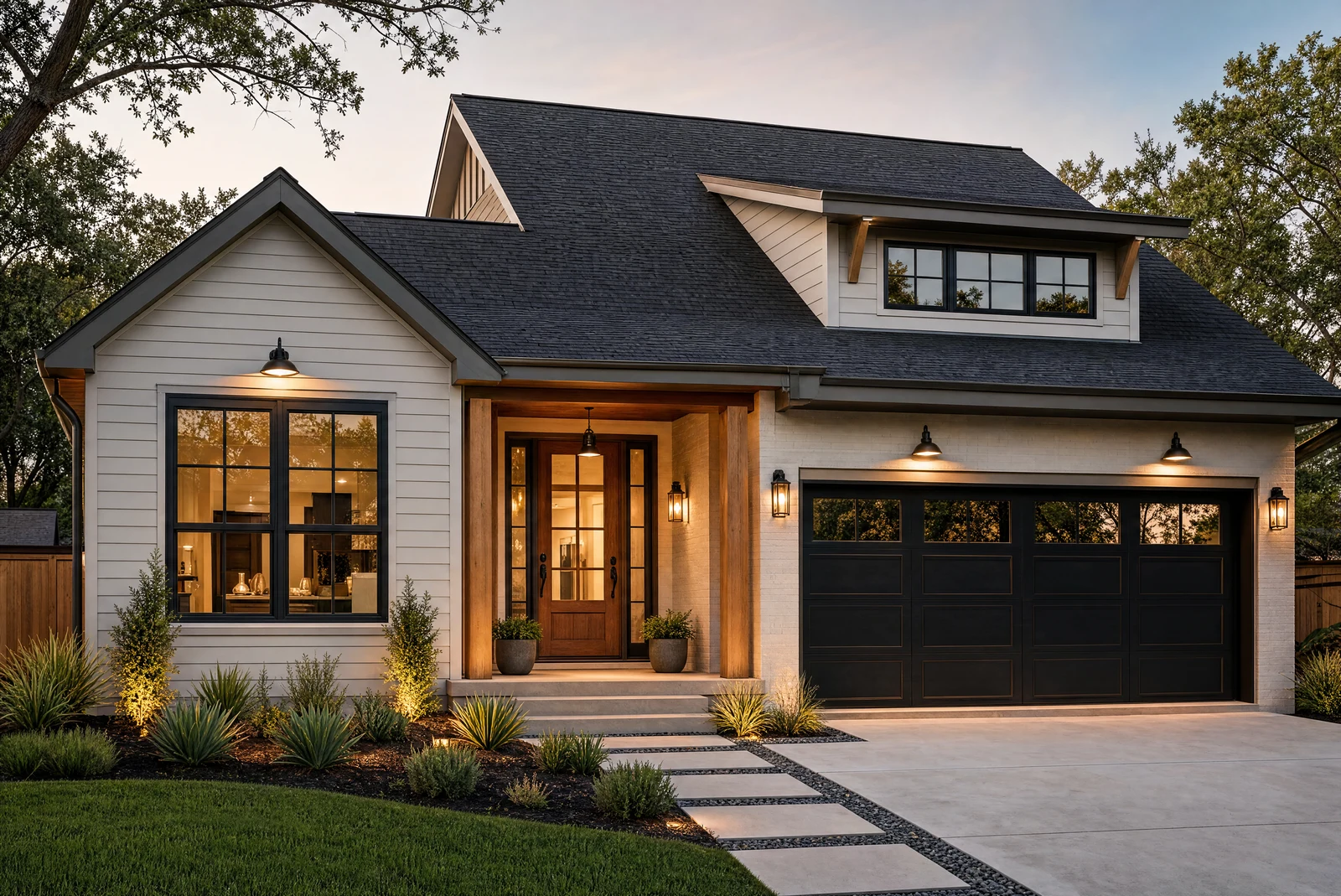
TrueForm scopes brick and stone work on your exterior: repair and repointing, stone veneer, lintel and flashing problems, chimney repair, porch columns, and the masonry where an addition meets your house. The scope starts by finding out why something cracked or failed, so the repair is not just a patch over a problem that returns.
The signed proposal controls the actual project; this list is what the proposal is built to answer.
A walkthrough of the brick, stone, mortar joints, lintels, flashing, and chimney
A note on the cause of each crack or failure: movement, moisture, or age
Color, texture, and mortar matching for visible repairs, with a sample approved before the work starts
Masonry at window and door openings and where an addition meets the house
Scaffolding or access equipment where the height needs it
Coordination with siding, paint, roof, and drainage scopes next to the masonry
Planning checks
The decisions that change the repair, the price, and the result
01
Cause before cure
Stair-step cracks, gaps at windows, and doors that stick can point to foundation movement or water behind the wall. When they do, the scope says so and recommends a foundation or engineering review before any cosmetic repair is priced.
02
Matching old brick and stone
Brick color, size, and mortar vary by age and batch. A perfect match is not always available, so the scope states whether the plan is to match, blend, or contrast on purpose, and you approve a sample first.
03
Lintels, flashing, and weep paths
Water that gets behind masonry has to get out. Rusting lintels, missing flashing, and blocked weep holes are the usual reasons a wall fails, so they are checked and listed individually.
Needed before a fixed price
Dependencies to resolve
A sample or a salvage source for matching, approved by you
Engineering or foundation review when movement is suspected
Access for scaffolding and material staging
HOA or historic-district approval, if your address needs it
Not silently assumed
Open conditions stay visible
Foundation repair, which is a separate scope with its own specialist
Hidden water damage behind the masonry, which is priced through a signed change order once it is exposed
Tap your answers to see what moves the price of your masonry repair.
Choose one card in each row to see your answer.
We price it with you after a short visit. Your fixed price comes in writing. The area, how closely the material has to match, and what is found behind the wall move the price most.
Often, to a degree that reads well from the street. Exact matches depend on the age of the brick and what is available, so the scope names the approach and you approve a sample before the work starts.
Does a crack in the brick mean my foundation is moving?
Sometimes. Stair-step cracks that keep returning, doors that stick, and gaps at the corners of windows are worth a foundation or engineering opinion before anyone covers them. We tell you which kind of crack we think you have and what to do first.
Can brick or stone be part of an exterior update?
Yes. Masonry can be planned with siding, windows, doors, paint, porch work, and drainage so the water details across the whole wall are handled together.
Next practical step
Start with the address and what you want changed.
Send the address, photos of the space, and what you have in mind. TrueForm prices it with you after a short visit and puts the fixed price in writing.